

Wax Removal
The ear is naturally “self‑cleaning,” but too much wax can cause discomfort, hearing loss, tinnitus, infections, and issues with hearing aids — so gentle removal is sometimes needed.
Attempting to remove earwax with improper tools or techniques can cause serious injury to the delicate ear canal or eardrum. For safe and effective care, it’s best to seek assistance from a trained healthcare professional who can examine your ears and remove the wax with precision and care—just like we do at Hear Safe Solutions.

What to expect during your appointment
After reviewing your ear health history, we will examine your ear canals with an otoscope to assess the amount, consistency, and depth of the earwax. If removal is considered safe and appropriate, we will use one or a combination of the techniques outlined below. For more stubborn wax, softening drops may be applied during the procedure, or in rare cases, you may be asked to use them for a few days before returning for a follow‑up appointment. Please note that it is not necessary to use softening drops before your first visit
Earwax removal is carried out as gently, precisely, and thoroughly as possible. While the procedure is not usually painful. You are welcome to take a break or stop at any time if needed.
Type of Wax Management

Microsuction
-
One of the safest and most effective earwax removal method
-
Uses a gentle, fine - tipped vacuum with full visualisation through a head-worn microscope
-
Allows precise, thorough removal with minimal contact
-
Ideal fir deeper or more sensitive areas of the ear canal
-
Suitable during outer ear infection (otitis media) to clear debris and support prescribed ear drop
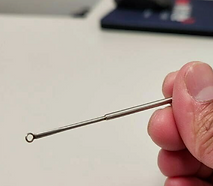
Curettage
-
A dry method of earwax removal using a small, curved curette
-
Gently scoop wax from the ear canal with controlled, precise movements
-
Required careful lighting and full visualisation of the ear canal and eardrum
-
Should never be attempted at home due to the delicate structure involved
-
Performed by a highly trained clinician to ensure comfort and safety throughout

Irrigation
-
Uses warm water to gently flush the ear canal with a syringe or spray device
-
Generally safe and effective when performed correctly
-
Not suitable for everyone, especially those with a damaged eardrum or middle ear infection
-
Should be performed by a trained clinician to ensure safety and comfort
Please be aware:
If we identify a medical condition or determine that continuing with the procedure is not appropriate, we will not proceed and will refer you to your GP. Likewise, if no earwax is present but you are experiencing symptoms such as pain, blockage, or hearing difficulties, we will recommend an appropriate course of action.
While we always strive to achieve the desired outcome of clear and comfortable ears, please note that if the procedure cannot be carried out or is unsuccessful on the first attempt, a fee will still apply for the appointment time.
Book your Earwax Removal appointment by Contact Us or email if you have any question.
We offer weekends or home-visit appointment.